The ancestral forge of vitality
Historical Preservation Archive

The Heritage of Male Strength

A journey through the centuries, uncovering how ancient civilizations cultivated resilience, stamina, and the internal fire of manhood through ritual and resourcefulness.

The Philosophy of Adaptation

The history of male vitality is fundamentally a story of adaptation. Long before the era of modern conveniences, the survival of families and communities rested upon the physical and mental edge of its men. From the nomadic tribes navigating the unforgiving Eurasian steppe to the established agrarian societies thriving along the Nile, the definition of strength was never static—it was shaped by the clay of the earth and the bite of the wind.

Ancient cultures did not view vigor as a fleeting resource but as a sacred flame that required constant tending. This preservation was achieved not through complex systems, but through a deep, intuitive understanding of the environment. They recognized that the same elements that could break a man—extreme cold, heavy labor, and isolation—could also be used to forge him into something more resilient.

As we explore these historical contexts, we look at the specific cultural efforts used to maintain this edge. We find a common thread: a profound respect for the natural world and a belief that a man's energy is a reflection of his connection to his heritage and his surroundings.

Nordic resilience in the elements
Archive Entry 01 // The Agoge

The Spartan Ideal of Discipline

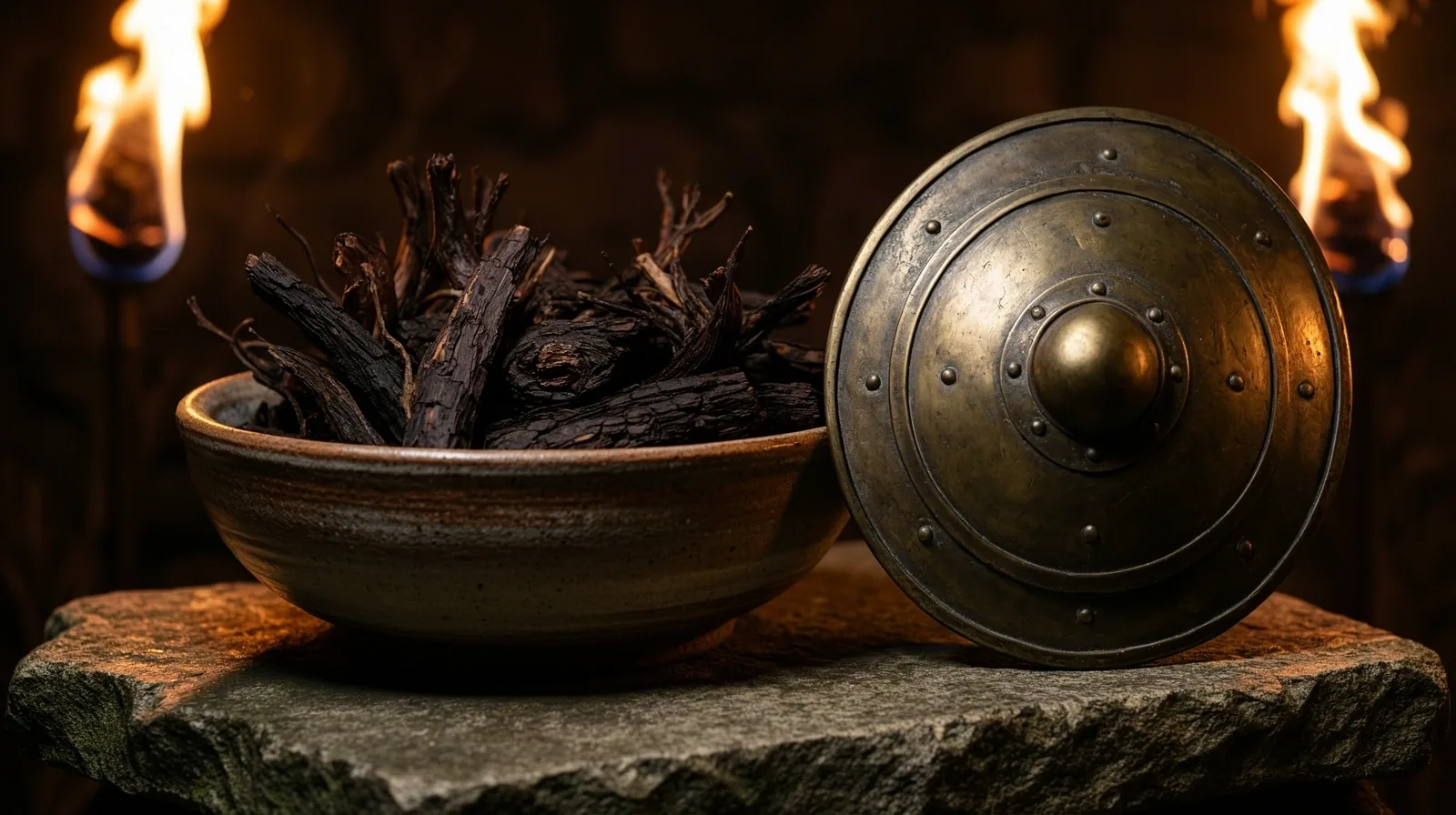
The Spartans are perhaps the most iconic example of a society dedicated entirely to physical excellence. Their approach was built on the concept of "agoge," a rigorous system that emphasized endurance, cold exposure, and communal living from a young age. This extreme environment was designed to foster a specific type of male energy that was both resilient and highly focused. Strength was not just about muscle; it was about the mental fortitude to remain composed under pressure.

Explore Foundation Principles
Archive Entry 02 // Thermal Stress

Nordic Resilience

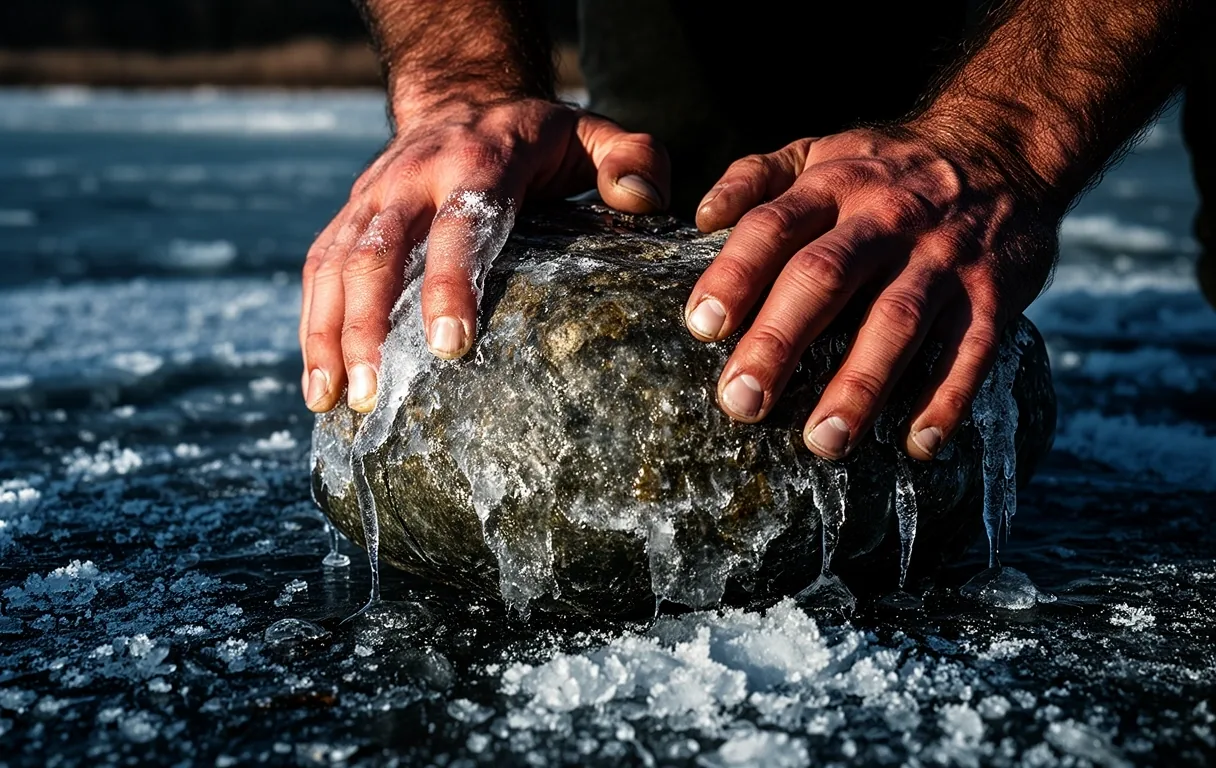
In the harsh climates of the North, strength was a matter of survival. The Vikings utilized intense heat from saunas followed by immediate immersion in freezing water to invigorate the body. This thermal stress was believed to "harden" the spirit and maintain a high level of internal fire during the long, dark winter months. This ritual was as much about psychological readiness as it was about physical circulation.

Regional Heritage

Comparing the divergent paths of vigor across the ancient world, from the temperate coasts to the deep forests.

The Classical Balance

Mediterranean Harmony

In contrast to the rigorous North, Mediterranean heritage focuses on harmony. The Roman and Greek traditions viewed male health as a balance of the "four humors" and emphasized moderate, consistent activity. Vigor was found in the combination of nutrient-dense oils, fresh seafood, and a life lived largely outdoors under the sun. It was a kind of strength built on longevity rather than explosive force.

Fresh Harvest Outdoor Rituals Classical Ideal

Forest Lore

Celtic Woods & Botanical Wisdom

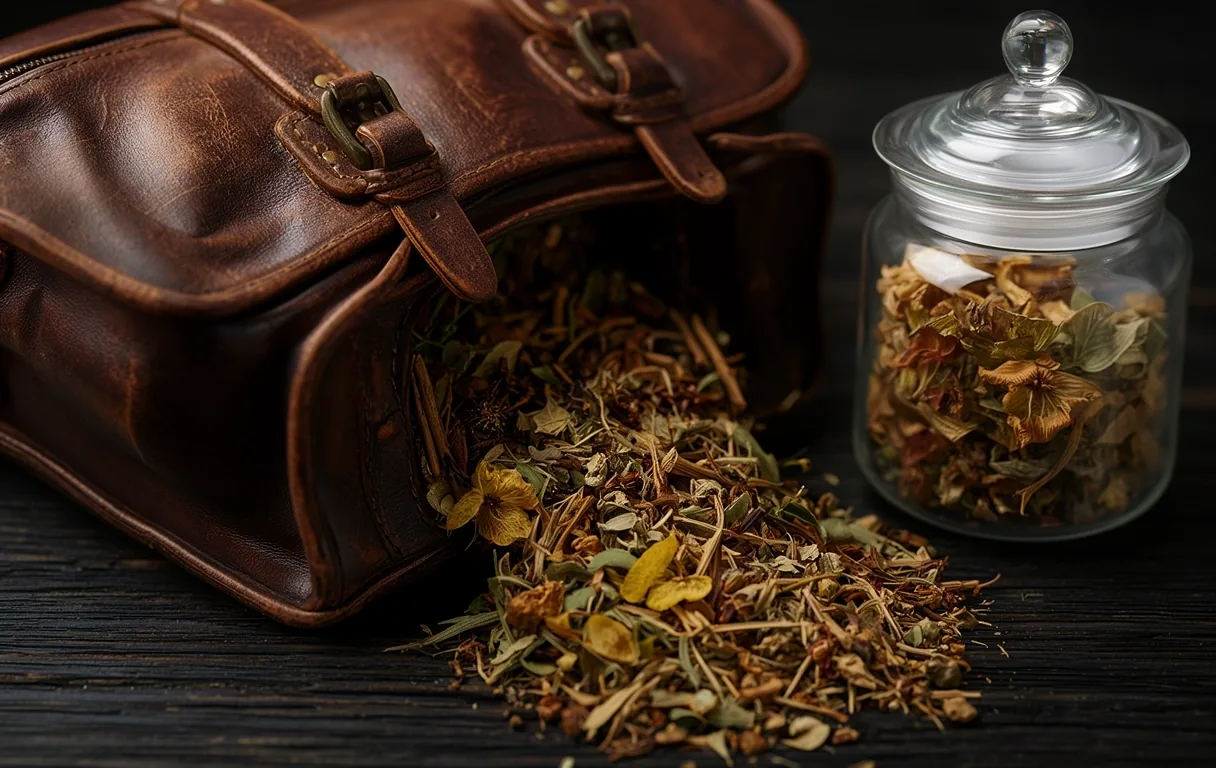
The Celts lived in deep connection with the forests of Europe. Their traditions involved the use of various barks, roots, and berries to maintain vitality during seasonal shifts. We explore the folklore surrounding these botanical elements and how they were integrated into the spiritual and physical life of the Celtic man, seeing the forest as a provider of both food and energy.

Tree Bark Rituals Root Infusions Seasonal Rhythms
The Eastern Way

The Samurai Mindset

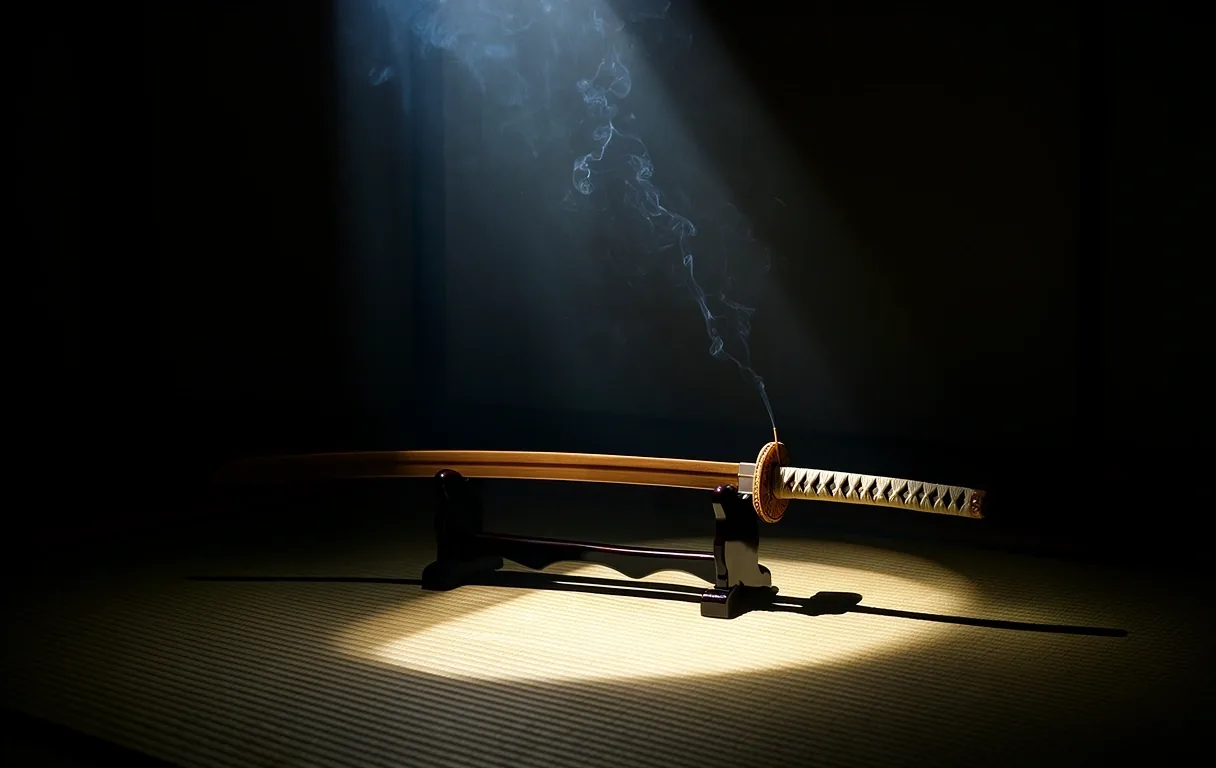
In the East, the Samurai prioritized the cultivation of "Ki"—the vital life energy. This was not merely about brute strength, but about the efficiency of motion and the stillness of the mind.

Through meditation and specific physical postures, they achieved a state of holistic energy preservation. The discipline of the mind was considered just as important as the strength of the body. To the Samurai, a scattered mind meant wasted energy, whereas a focused mind allowed for the channeling of vigor with absolute precision.

The discipline of the Samurai mindset

Agrarian Shifts & Male Vitality

The transition from hunting and gathering to farming changed the way men used their bodies. This shift required a different kind of endurance—slow, steady, and unrelenting. We examine how early agricultural societies adapted their folk traditions to support the long hours of labor required to sustain a civilization, focusing on the role of grains, fermented foods, and the rhythmic cycle of the harvest as a measure of a man's output.

The Renaissance Man

During the Renaissance, there was a renewed interest in the classical ideals of the balanced man. This era saw a focus on both intellectual and physical development. The thinkers of the time viewed male energy as a spark that needed to be fanned through both study and sport. Vigor was not just a physical attribute but an intellectual one, where a sharp mind fueled a capable body, creating the first modern archetype of holistic strength.

Heritage of global exploration
Global Adaptation

Colonial Explorers & Adaptation

As men began to travel the globe, they encountered new environments and new folk traditions. This exchange of knowledge between cultures led to a broader understanding of how different climates require different approaches to maintaining vigor and strength. The ability to adapt one's traditional practices to new soil became the ultimate mark of survival and masculine resourcefulness.

"The wisdom of the past is the fuel for the future."

© 2026 Energia Ancestral. Calle de San Bernardo, 15, 28015 Madrid, Spain. All rights reserved.